“突兀起红楼”的意思及全诗出处和翻译赏析
《水调歌头(汪德邵无尽藏)》
凭仗使君胸次,与问老仙何在,长啸俯清秋。
试遣吹箫看,骑鹤恐来游。
欲乘风,凌万顷,泛扁舟。
山高月小,霜露既降,凛凛不能留。
一吊周郎羽扇,尚想曹公横槊,兴废两悠悠。
此意无尽藏,分付水东流。
张孝祥的简介
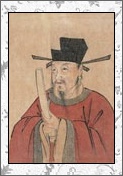 张孝祥(1132年-1169年),字安国,号于湖居士,汉族,简州(今属四川)人,生于明州鄞县。宋朝词人。著有《于湖集》40卷、《于湖词》1卷。其才思敏捷,词豪放爽朗,风格与苏轼相近,孝祥“尝慕东坡,每作为诗文,必问门人曰:‘比东坡如何?’”...[张孝祥的诗词]
《水调歌头(汪德邵无尽藏)》张孝祥 翻译、赏析和诗意
《水调歌头(汪德邵无尽藏)》是宋代诗人张孝祥创作的一首诗词。以下是诗词的中文译文、诗意和赏析:
水调歌头(汪德邵无尽藏)
淮楚襟带地,云梦泽南州,
沧江翠壁佳处,突兀起红楼。
凭仗使君胸次,与问老仙何在,
长啸俯清秋。
试遣吹箫看,骑鹤恐来游。
欲乘风,凌万顷,泛扁舟。
山高月小,霜露既降,凛凛不能留。
一吊周郎羽扇,尚想曹公横槊,兴废两悠悠。
此意无尽藏,分付水东流。
诗词的中文译文:
淮楚襟带之地,指淮河和楚地的交界处,云梦泽南州,指位于江苏省境内的云梦泽和南州地区。
沧江翠壁佳处,形容沧江两岸峰峦叠翠,景色优美。突兀起红楼,指突然间出现的红色楼阁。
凭仗使君胸次,依靠使君的胸怀才干。与问老仙何在,向老仙询问他在何处,表达了对高人的向往。
长啸俯清秋,长声高歌,俯视着秋天的景色。
试遣吹箫看,骑鹤恐来游,试着吹起箫来观察,担心骑着鹤过来游玩。
欲乘风,凌万顷,泛扁舟,想要乘风飞翔,驶过广阔的水面,乘坐扁舟。
山高月小,霜露既降,凛凛不能留,山峰高耸,月亮虽小,霜露已降,冷飕飕的气息无法停留。
一吊周郎羽扇,尚想曹公横槊,兴废两悠悠,一替周瑜吊念羽扇,仍然怀念曹操手持横槊,兴废更迭,情绪变化无常。
此意无尽藏,分付水东流,这种情意无尽藏匿,托付给流淌东去的水流。
诗意和赏析:
这首诗描绘了作者对自然景色的赞美,同时流露出对英雄人物和高人的向往之情。诗中以水调歌头的形式,通过描绘山川景色、流水和月亮的变化,展示了自然的壮丽和变幻之美。
诗人通过描述淮河和楚地交界处的景色,表达了对这片地域的喜爱和赞美。诗中的淮楚襟带之地、云梦泽南州、沧江翠壁佳处等描绘,展示了大自然的美丽和壮丽。
诗中还展现了对英雄人物的怀念之情。一吊周郎羽扇,尚想曹公横槊,表达了对历史上的英歌头 (Water Melody - Wang De Shao Wu Jin Zang)
In the land where the Huai and Chu meet,
In the region of Yunmengze and Nanzhou,
There rises a magnificent red mansion,
Amidst the emerald cliffs of the Cangjiang River.
Relying on the wisdom of the leader,
I ask the immortal sage where he resides,
And let out a long cry overlooking the clear autumn.
I try to play the flute and observe,
Afraid that riding a crane will disturb my journey.
I wish to ride the wind, soaring over vast expanses,
Floating in a flatboat.
The mountains are high, the moon is small,
The frost and dew have already descended, chilling and unable to linger.
I mourn for the feather fan of Zhou Yu,
And still think of Cao Cao's mighty spear,
The rise and fall of empires are both fleeting.
This sentiment has endless depths,
Entrusted to the flowing waters heading east.
Poem Translation:
In the land where the Huai and Chu meet,
Referring to the border area between the Huai River and Chu region,
Yunmengze and Nanzhou,
Referring to Yunmengze and the Nanzhou area in Jiangsu province.
There rises a magnificent red mansion,
Describing the sudden appearance of a red building amidst the emerald cliffs.
Relying on the wisdom of the leader,
Depending on the leader's wisdom and ability.
I ask the immortal sage where he resides,
Inquiring about the whereabouts of the immortal sage,
Expressing a longing for the transcendent.
And let out a long cry overlooking the clear autumn,
Releasing a long cry while looking down upon the clear autumn scenery.
I try to play the flute and observe,
Afraid that riding a crane will disturb my journey.
I wish to ride the wind, soaring over vast expanses,
Floating in a flatboat.
The mountains are high, the moon is small,
The frost and dew have already descended, chilling and unable to linger.
I mourn for the feather fan of Zhou Yu,
And still think of Cao Cao's mighty spear,
The rise and fall of empires are both fleeting.
This sentiment has endless depths,
Entrusted to the flowing waters heading east.
Poetic Meaning and Appreciation:
This poem depicts the poet's admiration for the beauty of nature and expresses his longing for heroic figures and transcendence. It is written in the form of a water melody, vividly portraying the magnificent and ever-changing aspects of nature.
The poet praises and appreciates the natural scenery by describing the meeting point of the Huai River and Chu region. The depiction of the land where the Huai and Chu meet, Yunmengze, and the magnificent red mansion amidst the emerald cliffs showcases the beauty and grandeur of nature.
The poem also conveys a sense of nostalgia for heroic figures. Mourning for Zhou Yu's feather fan while still thinking of Cao Cao's mighty spear expresses the poet's longing for historical figures and their remarkable achievements. The rise and fall of empires are depicted as fleeting and transient.
Overall, the poem captures the poet's admiration for nature, longing for transcendence, and nostalgia for heroic figures. It reflects the impermanence of human endeavors in contrast to the eternal flow of nature.
《水调歌头(汪德邵无尽藏)》张孝祥 拼音读音参考
shuǐ diào gē tóu wāng dé shào wú jìn cáng
水调歌头(汪德邵无尽藏)
huái chǔ jīn dài dì, yún mèng zé nán zhōu, cāng jiāng cuì bì jiā chù, tū wù qǐ hóng lóu.
淮楚襟带地,云梦泽南州,沧江翠壁佳处,突兀起红楼。
píng zhàng shǐ jūn xiōng cì, yǔ wèn lǎo xiān hé zài, cháng xiào fǔ qīng qiū.
凭仗使君胸次,与问老仙何在,长啸俯清秋。
shì qiǎn chuī xiāo kàn, qí hè kǒng lái yóu.
试遣吹箫看,骑鹤恐来游。
yù chéng fēng, líng wàn qǐng, fàn piān zhōu.
欲乘风,凌万顷,泛扁舟。
shān gāo yuè xiǎo, shuāng lù jì jiàng, lǐn lǐn bù néng liú.
山高月小,霜露既降,凛凛不能留。
yī diào zhōu láng yǔ shàn, shàng xiǎng cáo gōng héng shuò, xīng fèi liǎng yōu yōu.
一吊周郎羽扇,尚想曹公横槊,兴废两悠悠。
cǐ yì wú jìn cáng, fēn fù shuǐ dōng liú.
此意无尽藏,分付水东流。
“突兀起红楼”平仄韵脚
拼音:tū wù qǐ hóng lóu平仄:平仄仄平平
韵脚:(平韵) 下平十一尤 * 平仄拼音来自网络,仅供参考;诗句韵脚有多个的时候,对比全诗即可判断。
诗友评论
更新时间:2026-09-29 04:03:31
哎哟,这首词一开头就给我一种「大江东去」的江湖气!「淮楚襟带地,云梦泽南州」这两句,像是用地理坐标给全词定了调子——这可不是小家碧玉的亭台楼阁,而是站在历史长河边上的豪迈视角。那种「沧江翠壁」「突兀红楼」的描写,恍惚间让我想到苏轼写赤壁时的壮阔,不过这里似乎更带点仙气,你看「骑鹤恐来游」这种句子,分明是拿神话传说给现实场景镀了层金光。
中间有个转折特别有意思。作者上一秒还在「凭仗使君胸次」这种官场气息浓厚的表达里,下一秒突然跳转到「长啸俯清秋」,活脱脱像现代人开完会突然跑去山顶喊两嗓子解压。这种官场与江湖的拉扯感,让我忍不住揣测:这位「使君」是不是在仕途与归隐之间反复横跳?就像我们当代人一边加班一边刷露营攻略似的。
下阕的「欲乘风,凌万顷」明显是化用东坡词,但接上「霜露既降,凛凛不能留」突然就泄了气。这转折太真实了——谁还没个仗剑走天涯的冲动,结果被现实里的寒风一吹就缩回被窝?不过最戳我的是「一吊周郎羽扇,尚想曹公横槊」这两句,把三国英雄的潇洒与悲壮打包扔进历史长河,就像刷短视频时突然看到赤壁之战的混剪,弹幕飘过满屏的「兴废两悠悠」,那种隔着时空的共鸣感绝了。
整首词最妙的是结尾那句「分付水东流」,明明前边堆砌了那么多历史重量,最后却轻飘飘地撒手不管。这让我想到现代人处理焦虑的方式——发完朋友圈吐槽,转头就把烦恼扔进火锅里涮了。这种举重若轻的态度,倒比那些苦大仇深的怀古诗更让人会心一笑。