“流年俱老大”的意思及全诗出处和翻译赏析
《送进士卢棨东归》
流年俱老大,失意又东西。
晓楚山云满,春吴水树低。
到家梅雨歇,犹有子规啼。
郑谷的简介
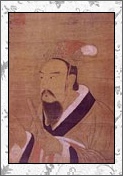 郑谷(约851~910)唐朝末期著名诗人。字守愚,汉族,江西宜春市袁州区人。僖宗时进士,官都官郎中,人称郑都官。又以《鹧鸪诗》得名,人称郑鹧鸪。其诗多写景咏物之作,表现士大夫的闲情逸致。风格清新通俗,但流于浅率。曾与许裳、张乔等唱和往还,号“芳林十哲”。原有集,已散佚,存《云台编》。...[郑谷的诗词]
《送进士卢棨东归》郑谷 翻译、赏析和诗意
《送进士卢棨东归》是唐代诗人郑谷创作的一首诗。诗意表达了诗人对好友卢棨东归之情感和自身处境的无奈和失落。
诗中描绘了景色优美的灞岸草地上,诗人独自离开酒宴,与卢棨告别。诗人将自己的经历比作流年的老去,自身的不如意则像是东西迁移般频繁。清晨,山峦笼罩在云雾之中,江水边的树木低垂欲坠。然而,当诗人回到家中,梅雨正停,子规依然在鸣叫,似乎宣告诗人的寂寥和孤独。
这首诗通过写景描绘和抒发诗人内心情感的方式,表达了离别之时的无奈和孤独,对岁月流转的感慨以及对家园思念的情感。虽然离家已经是雨停云散的时候,但心中的孤独和寂寞依然难以抚平。
英文翻译:
The Boat Docks on the River Beiluo - A Farewell to the Successful Scholar Lu Qi
The grass on the banks of Ba was lush,
I left the feast holding my wine alone.
The passing years bring aging to all,
Frustration drives me back and forth.
In the dawn, the clouds shroud the mountains,
By the Wu River, trees hang low.
Returning home with the cessation of rainy season,
The oriole still cries.
Appreciation:
"送进士卢棨东归" is a poem written by the Tang Dynasty poet Zheng Gu. The poem expresses the poet's feelings towards his friend Lu Qi, who is leaving to the east, and the poet's own sense of helplessness and disappointment.
In the poem, the poet describes the beautiful scenery of the grassy banks of the Ba River. The poet leaves the banquet, bidding farewell to Lu Qi. The poet compares his own experiences to the aging of the passing years and his own frustrations to the constant back-and-forth movement. In the early morning, the mountains are covered by clouds, and the trees by the Wu River hang low. However, when the poet returns home, the rainy season has stopped, but the oriole still sings, as if announcing the poet's loneliness and solitude.
This poem expresses feelings of helplessness and loneliness during farewell, contemplation of the passage of time, and longing for one's homeland. Although the poet returns home when the rain stops, the loneliness and solitude in the heart remain difficult to soothe.
《送进士卢棨东归》郑谷 拼音读音参考
sòng jìn shì lú qǐ dōng guī
送进士卢棨东归
bà àn cǎo qī qī, lí shāng wǒ dú xié.
灞岸草萋萋,离觞我独携。
liú nián jù lǎo dà, shī yì yòu dōng xī.
流年俱老大,失意又东西。
xiǎo chǔ shān yún mǎn, chūn wú shuǐ shù dī.
晓楚山云满,春吴水树低。
dào jiā méi yǔ xiē, yóu yǒu zǐ guī tí.
到家梅雨歇,犹有子规啼。
“流年俱老大”平仄韵脚
拼音:liú nián jù lǎo dà平仄:平平仄仄仄
韵脚:(仄韵) 去声九泰 (仄韵) 去声二十一个 * 平仄拼音来自网络,仅供参考;诗句韵脚有多个的时候,对比全诗即可判断。
诗友评论
更新时间:2026-09-29 00:39:13
这首诗词,一读就让人有种淡淡的忧伤。开头“灞岸草萋萋,离觞我独携”,画面感很强,仿佛能看到一个人在河边,手里拿着酒杯,周围的草长得茂盛,但那种孤独感却扑面而来。这种场景,让人不禁想到自己也曾有过类似的时刻,那种独自一人的寂寞,真是难以言表。
接下来“流年俱老大,失意又东西”,这句真是戳中了我的心。时间过得飞快,我们都老了,可是失意的事情却依然接踵而至。这种无奈和无力感,谁没有经历过呢?有时候,真的觉得自己就像是被命运捉弄的小丑,东奔西走,却始终找不到出路。
“晓楚山云满,春吴水树低”,这句的景色描写很美,但也带着一丝压抑。山上的云满满的,水边的树低低的,这种景象,仿佛在暗示着心中的沉重。即使眼前的美景,也无法驱散内心的阴霾。
最后“到家梅雨歇,犹有子规啼”,这句真是让人心里一紧。回到家,梅雨停了,可是子规还在啼叫。这种声音,仿佛在提醒着那些未了的忧愁。即使回到了家,那种不安和焦虑依然挥之不去。
整首诗词,读下来让人心情沉重。它没有华丽的辞藻,却用最朴实的语言,道出了人生中的无奈和孤独。这种情感,是每个人都可能经历的。或许,正是因为这种共鸣,才让这首诗词显得如此动人。有时候,生活中的不如意,真的就像那子规的啼叫,久久不能平息。