“自为心猿不调伏”的意思及全诗出处和翻译赏析
《四祖寺》
自为心猿不调伏,祖师元是世间人。
赵嘏的简介
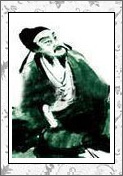 赵嘏 , 字承佑, 楚州山阳(今江苏省淮安市楚州区)人, 约生于宪宗元和元年(806). 年轻时四处游历, 大和七年预省试进士下第, 留寓长安多年, 出入豪门以干功名, 其间似曾远去岭表当了几年幕府。 后回江东, 家于润州(今镇江). 会昌四年进士及第, 一年后东归。 会昌末或大中初复往长安, 入仕为渭南尉。 约宣宗大中六、七年(852、853)卒于任上。 存诗二百多首, 其中七律、七绝最多且较出色。...[赵嘏的诗词]
《四祖寺》赵嘏 翻译、赏析和诗意
四祖寺诗词赏析:
《四祖寺》是唐代诗人赵嘏创作的一首诗词。这首诗通过描绘四祖寺的景色,抒发了作者对自身困境的思考和对佛教教义的理解。
诗中描述了四祖寺松树丛生,双峰耸立的景色。这里的"松下双峰寺"一句,既是景物描写,又融入了佛教的思想,暗示着佛教教义的高洁和庄严。
接下来,诗人提到自己身处其中的景色,却只有一盏灯的光亮。这句"一盏灯前万里身"把诗人的身份置于寂静与孤独的环境中,并融入了禅宗思想中的修行与证悟的意味。灯光的微弱与无尽的身影,给人以一种寂寞、迷茫和思考的感觉。
接着,诗人表明了自己内心的无法驾驭和追随的状态,称其心灵为"心猿"。"自为心猿不调伏"这句,表达了诗人对自己内心波动、难以驾驭的困惑和痛苦。同时,也折射出作者对自己修行状态不佳的反思。
最后,诗人提到四祖是实在的存在,指明了佛教的祖师在世间是真实存在的人。这句"祖师元是世间人"既是对佛教教义的肯定,也是对佛教修行者的鼓励和警示。
整首诗以景物的描写和个人的内心状况相结合,通过抒发自己内心的疑问与不安,表达了对佛教教义的追求与思考,体现了唐代佛教文化的主题和特点。
中文译文:
四祖寺
千株松下双峰寺,
一盏灯前万里身。
自为心猿不调伏,
祖师元是世间人。
Poem Translation:
Temple of the Fourth Patriarch
Beneath a thousand pine trees rests the temple,
Before a single lamp, my body stretches for a thousand miles.
Unable to conquer my monkey mind,
The patriarch, fundamentally, is but an ordinary person.
Appreciation:
"Temple of the Fourth Patriarch" is a poem written by Tang Dynasty poet Zhao Gu. This poem depicts the scenery of the temple and expresses the poet's contemplation on his own dilemma and understanding of Buddhism.
The poem describes the temple with its dense pine trees and towering twin peaks. The phrase "Beneath a thousand pine trees rests the temple" not only describes the scenery but also implies the purity and solemnity of Buddhist teachings.
Next, the poet mentions his own presence in this scenery, lit only by a single lamp. The line "Before a single lamp, my body stretches for a thousand miles" places the poet's identity in a silent and lonely environment, incorporating the meaning of practice and enlightenment in Zen Buddhism. The dim light and endless shadows create a sense of loneliness, confusion, and contemplation.
Furthermore, the poet reveals his inability to control and follow his own mind, describing it as a "monkey mind." The line "Unable to conquer my monkey mind" expresses the poet's confusion and pain over the fluctuations and uncontrollable nature of his inner self. At the same time, it reflects the author's reflection on his unsatisfactory state of practice.
Finally, the poet mentions that the Fourth Patriarch is a genuine person in the world, affirming the truth of Buddhist teachings. The line "The patriarch, fundamentally, is but an ordinary person" serves as both an affirmation of Buddhist teachings and encouragement and warning for Buddhist practitioners.
The poem combines the description of the scenery with the poet's inner state, expressing his pursuit and contemplation of Buddhist teachings. It reflects the themes and characteristics of Buddhist culture during the Tang Dynasty.
《四祖寺》赵嘏 拼音读音参考
sì zǔ sì
四祖寺
qiān zhū sōng xià shuāng fēng sì, yī zhǎn dēng qián wàn lǐ shēn.
千株松下双峰寺,一盏灯前万里身。
zì wèi xīn yuán bù tiáo fú, zǔ shī yuán shì shì jiān rén.
自为心猿不调伏,祖师元是世间人。
“自为心猿不调伏”平仄韵脚
拼音:zì wèi xīn yuán bù tiáo fú平仄:仄仄平平仄平平
韵脚:(仄韵) 入声一屋 * 平仄拼音来自网络,仅供参考;诗句韵脚有多个的时候,对比全诗即可判断。
诗友评论
更新时间:2026-09-28 20:19:27
哎,这首诗一读就让人有种「禅意扑面而来」的感觉,但仔细品品又好像藏着点叛逆的劲儿。开头两句「千株松下双峰寺,一盏灯前万里身」画面感拉满——松林如海、古寺静立,僧人孤灯独坐,身体仿佛被拉长到万里之外的孤独。这场景像不像我们深夜刷手机时的状态?明明肉身困在方寸之间,精神却飘到天涯海角。
可后两句突然急转弯:「自为心猿不调伏,祖师元是世间人」。好家伙,原来前面那些禅意铺垫都是烟雾弹!诗人直接摊牌说自己像脱缰的野猴子,根本静不下心修行。最妙的是最后那句——连开宗立派的祖师爷,骨子里也是个普通人啊!这简直是给修行者「祛魅」,把高高在上的禅宗拉回人间烟火里。想想看,那些被供在神坛的大师们,可能也会偷偷emo、会犯拖延症吧?
不过这种「自曝其短」反而让整首诗更真实了。现在的年轻人总爱说「躺平」「摆烂」,但谁心里没点追求呢?就像诗人嘴上说着「心猿不调伏」,可他能写下这首诗,不正是试图在躁动中寻找平静吗?这种矛盾感特别戳人——我们都在「想当卷王」和「彻底咸鱼」之间反复横跳,连祖师爷都逃不过当凡人的宿命,普通人又何必苛责自己呢?
说到底,这首诗像面照妖镜,照见了修行者也是血肉之躯的事实。它提醒我们:与其假装超然物外,不如坦然接受内心的兵荒马乱。毕竟连开山祖师都是「世间人」,咱们偶尔当回「心猿」,或许才是修行的必经之路吧?